Rise and Fall of Mihirkula – India’s Feared Warrior King
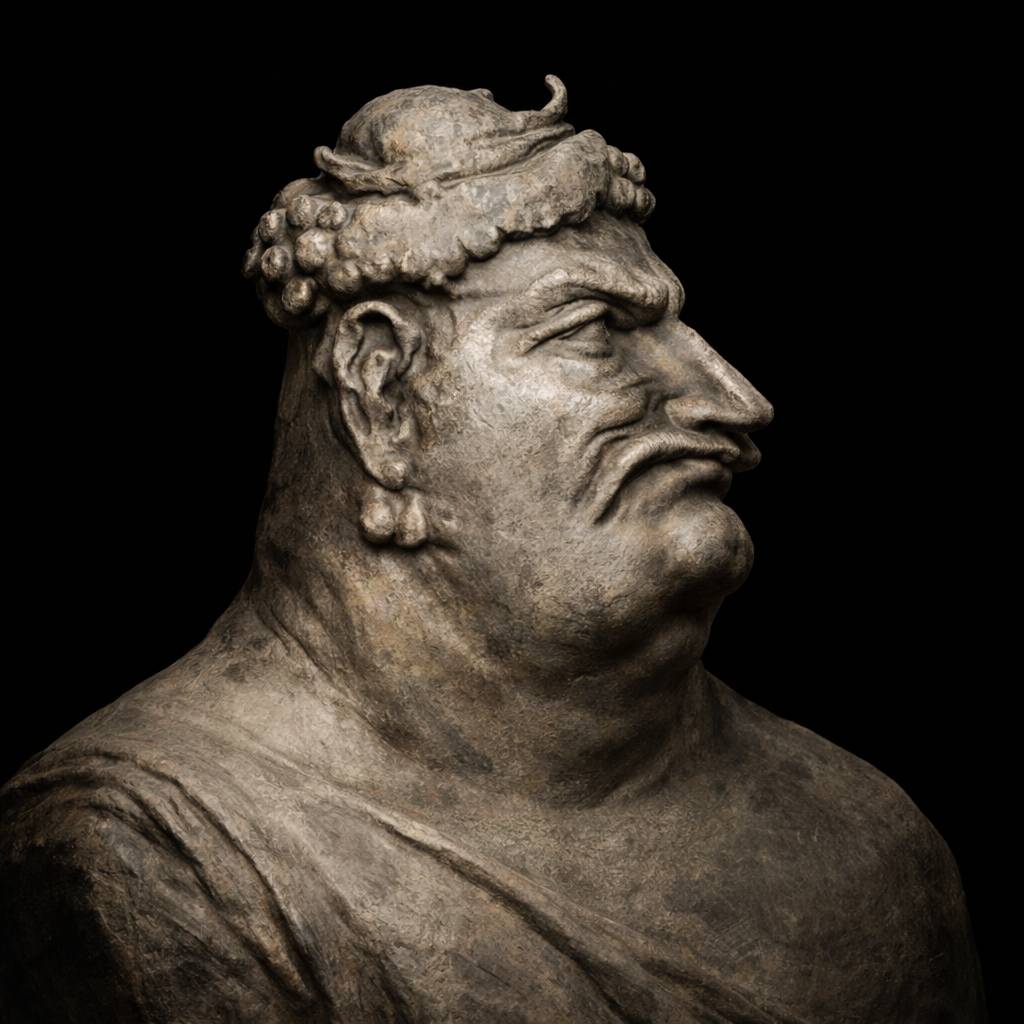
Year 515 CE…
The Indian subcontinent trembles under the shadow of a ruthless conqueror
He was not just a king… he was a storm."
A name that echoed fear across the Indian subcontinent… at that time.
A ruler so ruthless, that even history remembers him with dread…
This is the story of Mihirkula — the most feared Huna ruler in India.
In the 6th century… when great empires rose and fell…
when kings fought for glory and legacy…
one man stood apart — for greatness… and for terror.
Temples were destroyed… cities burned… and thousands perished under his command.
Some called him a warrior…
Others called him a destroyer of faith…
But one thing is certain —
Mihirkula changed the course of Indian history forever
But who was Mihirkula?
How did a Huna invader rise to power in India?
And what led to his ultimate downfall?
Let’s uncover the truth behind the legend…
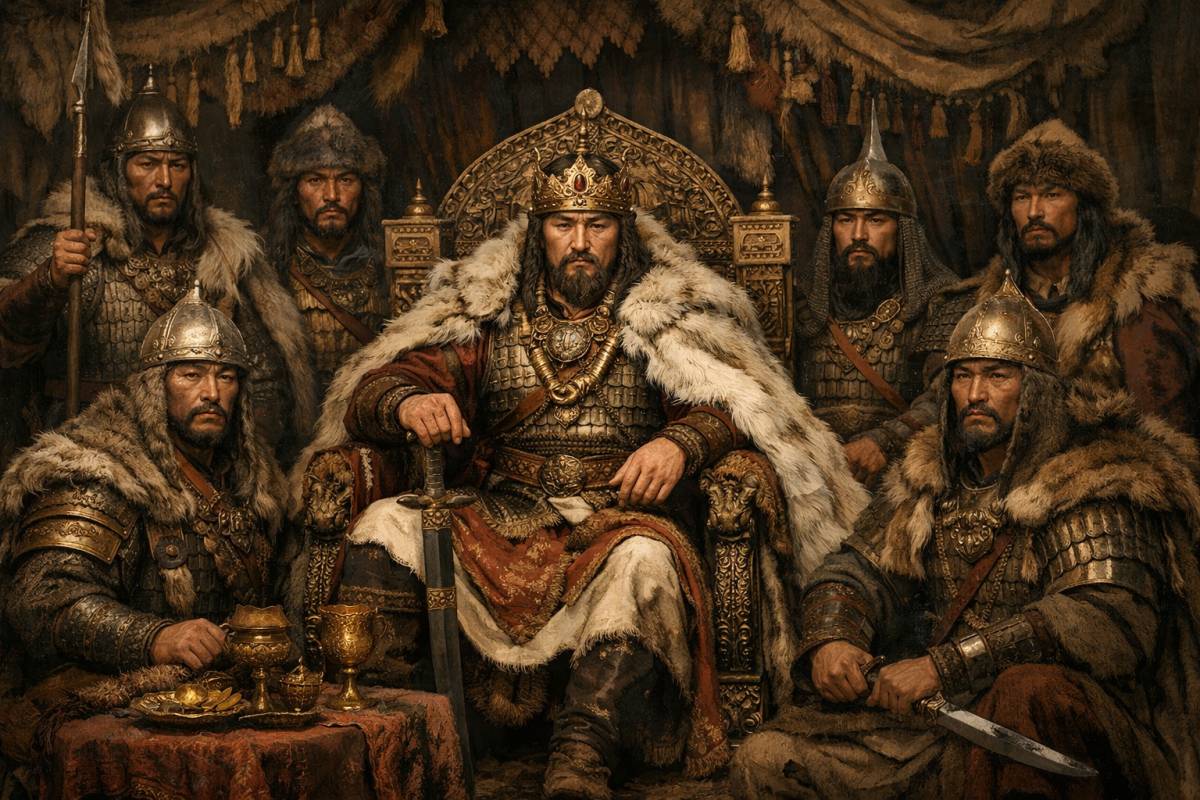
The White Hunas, known in history as the Hephthalites, were a dominant Central Asian confederation between the 4th and 6th centuries CE. Although they shared the name “Huns,” they were quite different from the European Huns led by Attila the Hun. Their true origins remain debated among historians — some believe they were of Turkic origin, others connect them to Iranian (Bactrian) roots, while many consider them a mix of nomadic steppe tribes. Chinese sources referred to them as Yeda or Hua, while Indian texts called them Hunas, White Huns (Sveta Huns). The term “White Huns” itself may have referred to their lighter complexion or possibly a geographical label, as “white” often symbolized the western direction in Central Asian traditions.
Their homeland was located in the regions of Bactria and Transoxiana, which today include parts of Afghanistan, Tajikistan, and Uzbekistan. Around 400 CE, as the powerful Kushan Empire declined, a political vacuum emerged in Central Asia — and the White Hunas quickly rose to fill it. Within a short time, they expanded into a vast empire stretching across Central Asia, reaching into Persia and eventually moving toward the Indian subcontinent. Before turning to India, they proved their strength by repeatedly clashing with the mighty Sassanid Persian Empire. In a dramatic event in 484 CE, they defeated and killed the Persian king Peroz I, establishing themselves as a formidable superpower of the time.
After securing their dominance in Central Asia and weakening Persia, the Hunas turned their attention toward India. They invaded through the northwestern mountain passes, most likely the famous Khyber Pass, entering regions such as Gandhara. At that time, the once-great Gupta Empire was already weakening, making it easier for foreign invaders to penetrate deeper into the subcontinent. The Hunas advanced steadily, raiding cities, establishing control, and expanding their influence across northern India. It was during this phase of expansion that one ruler rose above all others — Mihirkula, who would soon become the most feared face of Huna power in India.
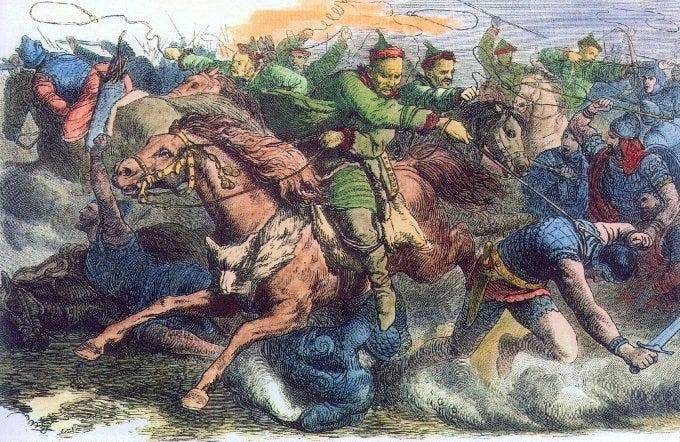
To truly understand the rise of the Hunas in India, we must look deeper into their origins. From the mid-5th to the mid-6th century CE, large parts of Central Asia were dominated by the Hephthalite tribes, the same group identified as the White Hunas. However, their beginnings remain one of history’s great mysteries. There are significant gaps in our knowledge about how exactly they formed as a political power, and even ancient sources provide differing accounts about their identity. In Chinese records, they were referred to by various names such as Yeda or Hua, while in Indian texts they were simply known as the Hunas.
This variation in names reflects a deeper complexity — the Hunas were not a single unified tribe in the beginning, but rather a confederation of different nomadic groups that came together over time. Their rise was gradual, shaped by migrations, warfare, and shifting alliances across the vast Central Asian steppes. What made them powerful was not just their military strength, but their ability to adapt, absorb different cultures, and establish control over key trade routes like those of the Silk Road.
As their power expanded, so did their identity. From loosely connected tribes, they evolved into an organized force capable of defeating empires and ruling territories. By the time they reached the borders of India, they were no longer just steppe nomads — they had become a formidable empire with political structure, military discipline, and a clear ambition for expansion.
From unknown origins… to unstoppable conquerors…
The White Hunas were now ready to reshape history.
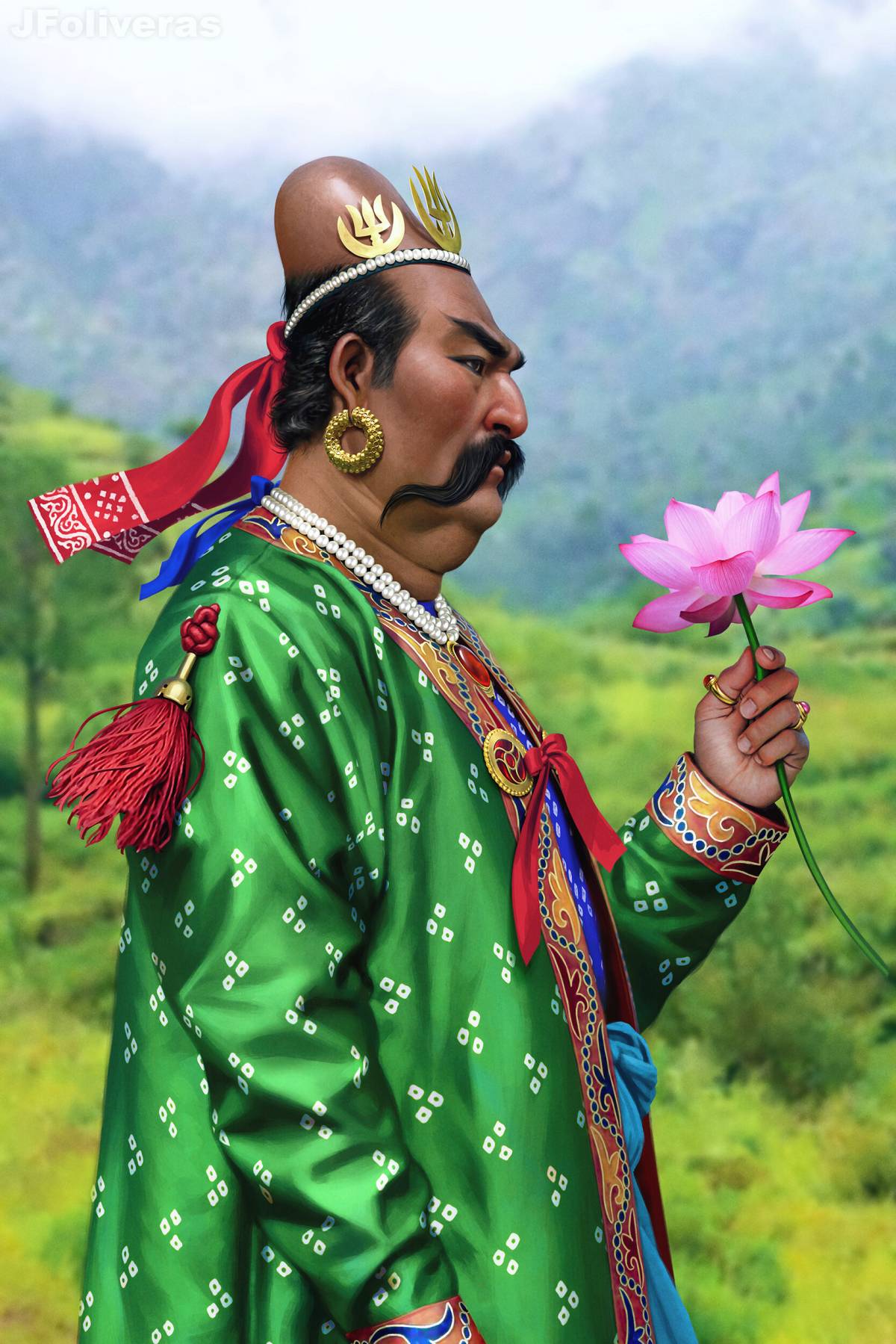
As the Hunas tightened their grip over northwestern India, one important figure emerged before Mihirkula — Khingila. Ruling around 430–490 CE, Khingila was one of the earliest and most significant kings of the Alchon Huns, a branch of the White Hunas who entered India. Unlike earlier nomadic leaders, Khingila played a crucial role in transforming the Hunas from a roaming warrior group into a structured ruling power, especially in regions like Bactria and Gandhara. Around 475 CE, he led the expansion into Gandhara, marking the beginning of large-scale Huna invasions into the Indian subcontinent. His rule signaled not just conquest, but also consolidation.
Khingila also understood the importance of legitimacy. Coins issued during his reign carried his name and image, often imitating the styles of earlier powerful empires like the Kushans and Sassanids. This was not accidental — it was a calculated move to present the Hunas as rightful rulers rather than foreign invaders. Under his leadership, the Hunas, known in Indian texts as Sveta Hunas (White Hunas), began to leave a lasting imprint on the political and social fabric of the regions they controlled. Their military strength and strategic expansion disrupted existing power structures and paved the way for deeper incursions into India.
However, Khingila’s reign was only the beginning. He laid the foundation for even more aggressive and destructive rulers who would follow. Among them were Toramana and his successor Mihirkula, who would push further into the Indian heartland. Under their leadership, the Hunas intensified their campaigns, causing severe disruption to the already weakening Gupta Empire and leaving a profound impact on Indian society, economy, and religious institutions — especially Buddhism.
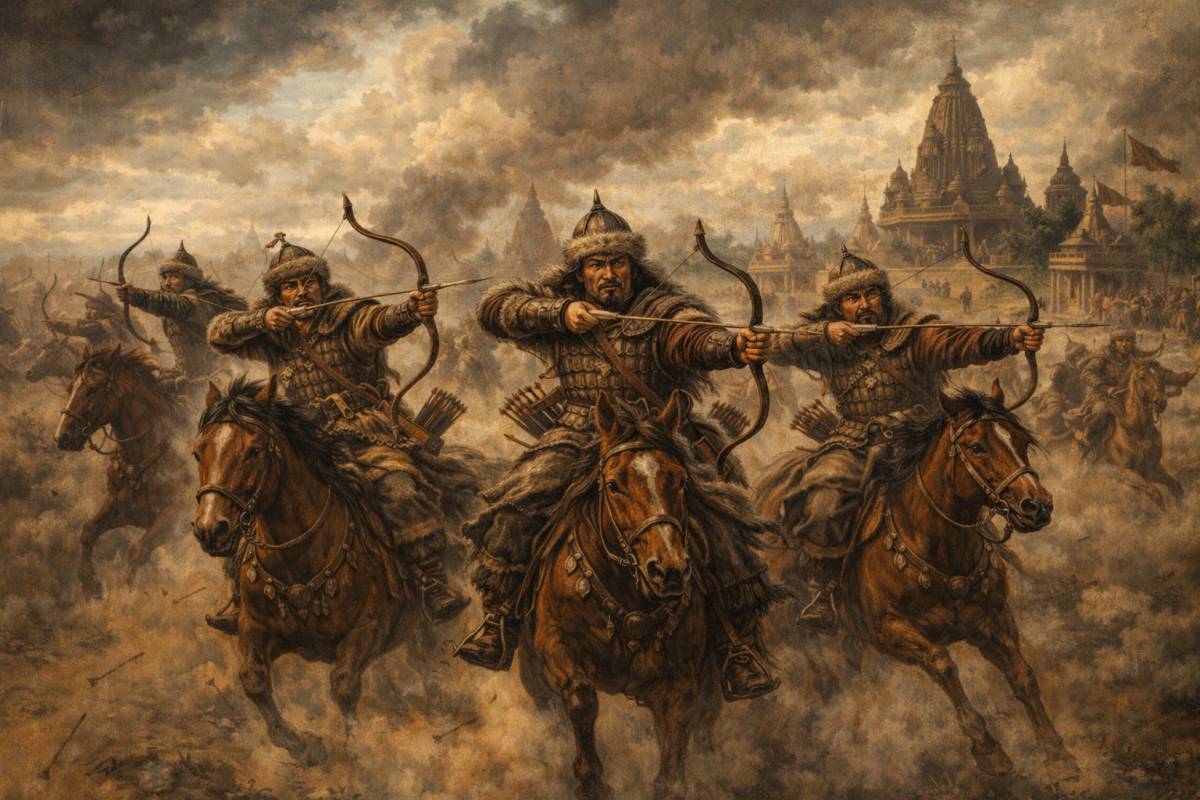
As the Hunas strengthened their control under leaders like Khingila, their ambitions pushed them deeper into the Indian subcontinent. By the late 5th century, the first major wave of Huna raids began in the region of Gandhara, gradually expanding into northern India. Historical accounts suggest that by around 520 CE, their presence had become firmly established, with foreign observers like the Chinese pilgrim Song Yun noting that the Hunas had already conquered Gandhara and installed their own rulers there. This marked a turning point — the Hunas were no longer just invaders, but rulers of Indian territory.
However, their expansion was not uncontested. At this time, the powerful Gupta Empire still stood as a major force in northern India. Under the leadership of Skandagupta, the Guptas mounted strong resistance against the advancing Hunas. Inscriptions such as the Junagadh inscription of 457 CE describe how Skandagupta achieved victories over hostile kings and tribes, which historians believe included the Hunas. These early invasions were initially repelled, demonstrating the strength and resilience of the Gupta military.
Yet, this victory came at a heavy cost. The continuous pressure from Huna invasions stretched the resources and stability of the Gupta Empire. Skandagupta, often regarded as the last great Gupta ruler, managed to hold back the tide temporarily, but after his reign, the empire began to weaken rapidly. This gradual decline created the perfect opportunity for the Hunas to regroup, reorganize, and launch even more aggressive campaigns into India.
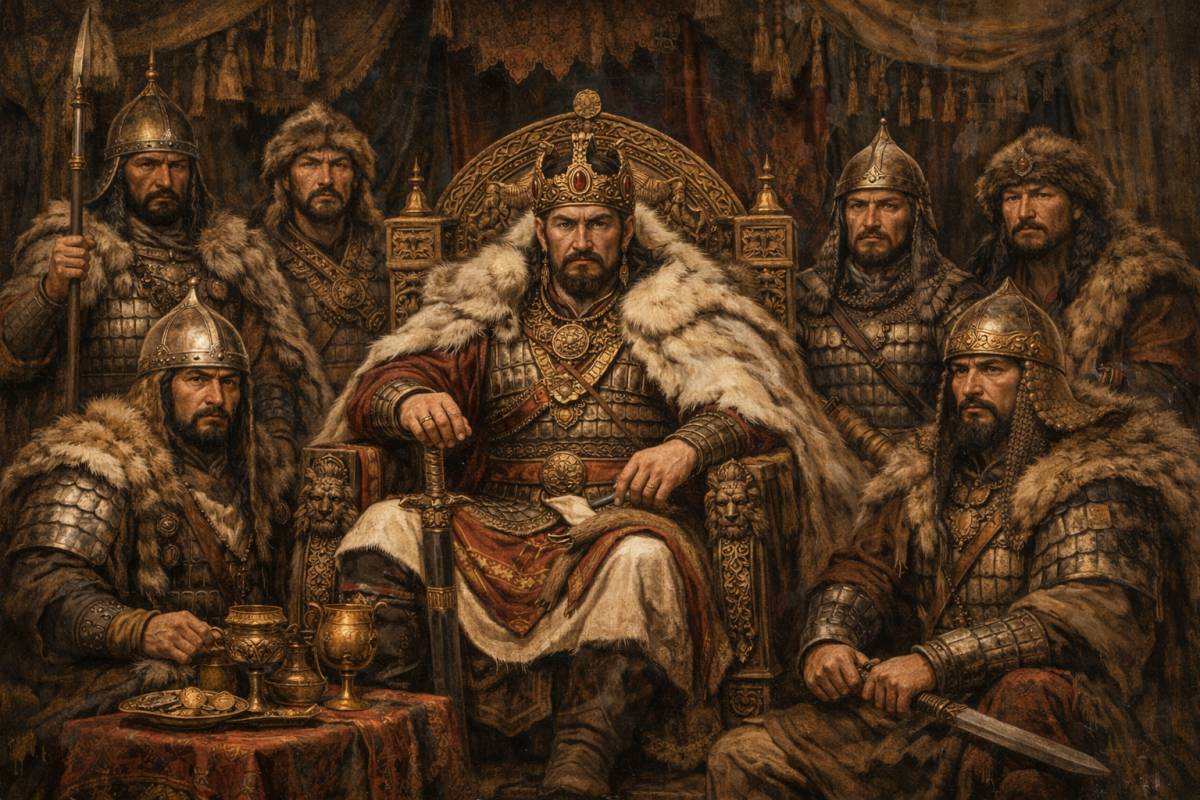
After the fall of a strong empire… rises a force even more dangerous…”
After the death of Skandagupta, the Gupta Empire began to lose its grip over northern India. Once a symbol of power and stability, the empire now struggled to defend itself against repeated Huna invasions. Wave after wave, the Hunas pushed deeper into Indian territory, and this time, there was no strong ruler left to stop them. The central authority weakened, provinces broke away, and the once-great empire slowly began to crumble under pressure.
By the end of the 5th century, the Hunas had finally broken through into the heart of northern India. They were no longer just raiders — they had become rulers. In many regions, local kings continued to govern, but now under the authority of Huna overlords whose power stretched from Persia to Khotan and deep into the Indian subcontinent. It was during this phase that Toramana emerged as a powerful leader. From his stronghold in Punjab, Toramana expanded Huna dominance and launched successful campaigns into Gupta territories, weakening what remained of their resistance.
But the true storm was yet to come.
After Toramana, his son rose to power — Mihirkula.
And with him… came fear.
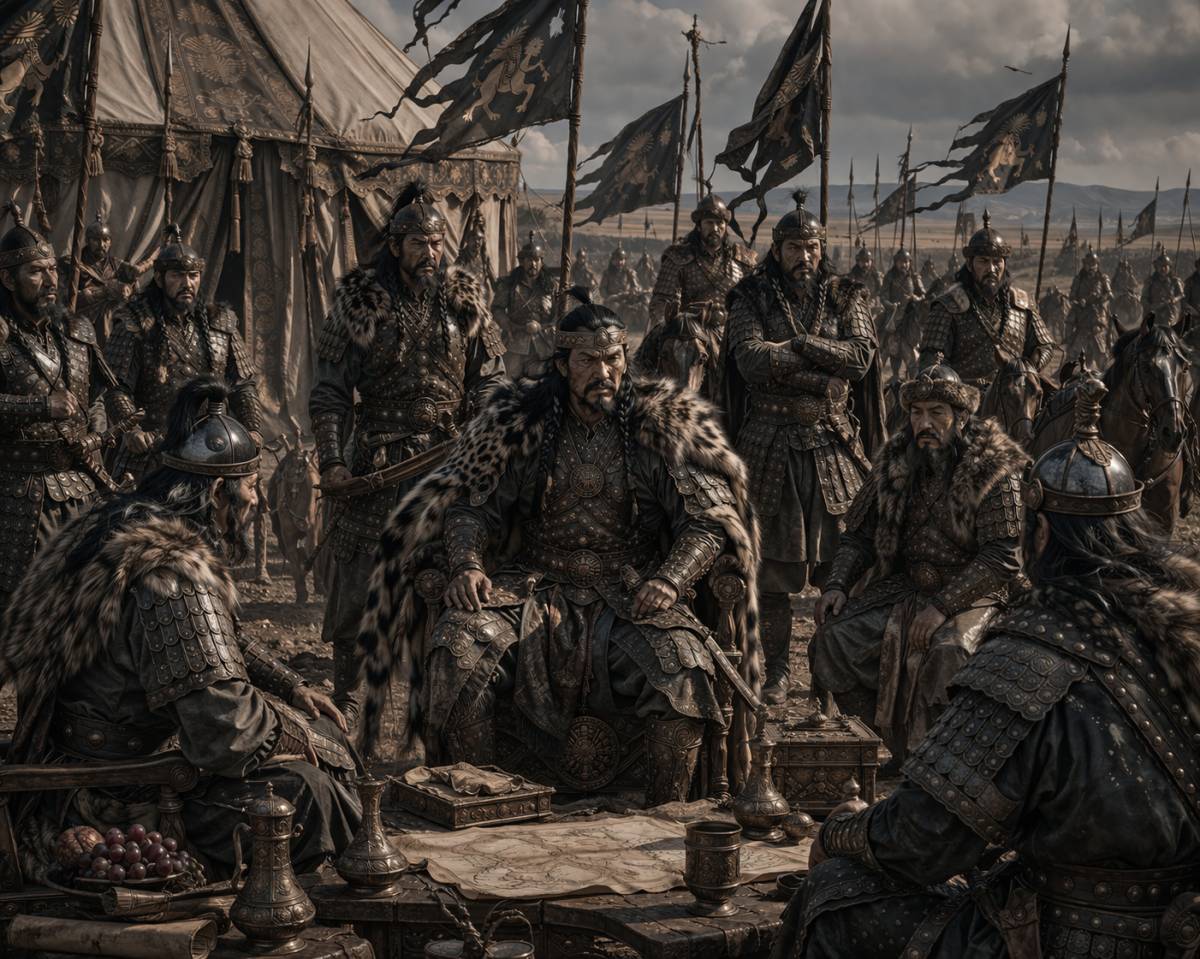
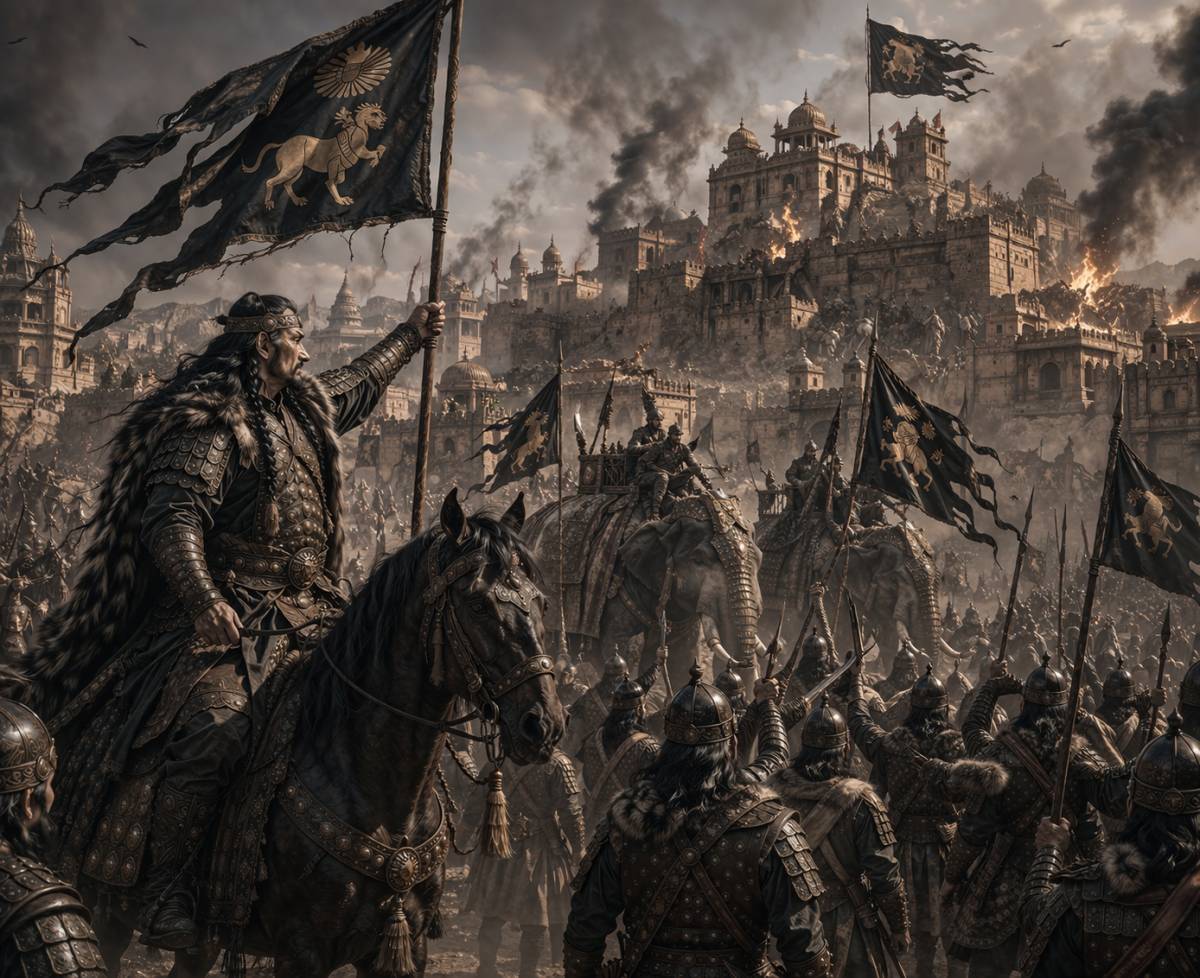
Mihirkula was not just a ruler; he was a symbol of destruction. Under his leadership, the Hunas reached the peak of their power in India. His campaigns were more aggressive, more brutal, and far more devastating than those of his predecessors. Cities were attacked, kingdoms were forced into submission, and resistance was crushed without mercy. His reputation spread quickly — not as a just king, but as a ruthless conqueror
Mihirakula (also spelled Mihiragula, Mahiragula, or Mihirkula; Gupta script: Mi-hi-ra-ku-la; Chinese: 摩酰逻矩罗 or Mo-hi-lo-kiu-lo) was the second and final major king of the Alchon Huns (a branch of the White Huns or Hephthalites) He is remembered in Indian and Chinese sources as a powerful but tyrannical conqueror Buddhist accounts portray him as one of the most brutal persecutors of Buddhism in ancient India.
He was the eldest son and successor of Toramana, the first Hun king to establish significant rule in the Indian subcontinent. His name likely derives from Mihira (the sun god) and kula (lineage) — "of the lineage of the Sun" — though the exact etymology is debated. He ruled from his capital at Sagala (modern Sialkot, in present-day Pakistan), which became the nerve center of Huna power in India.
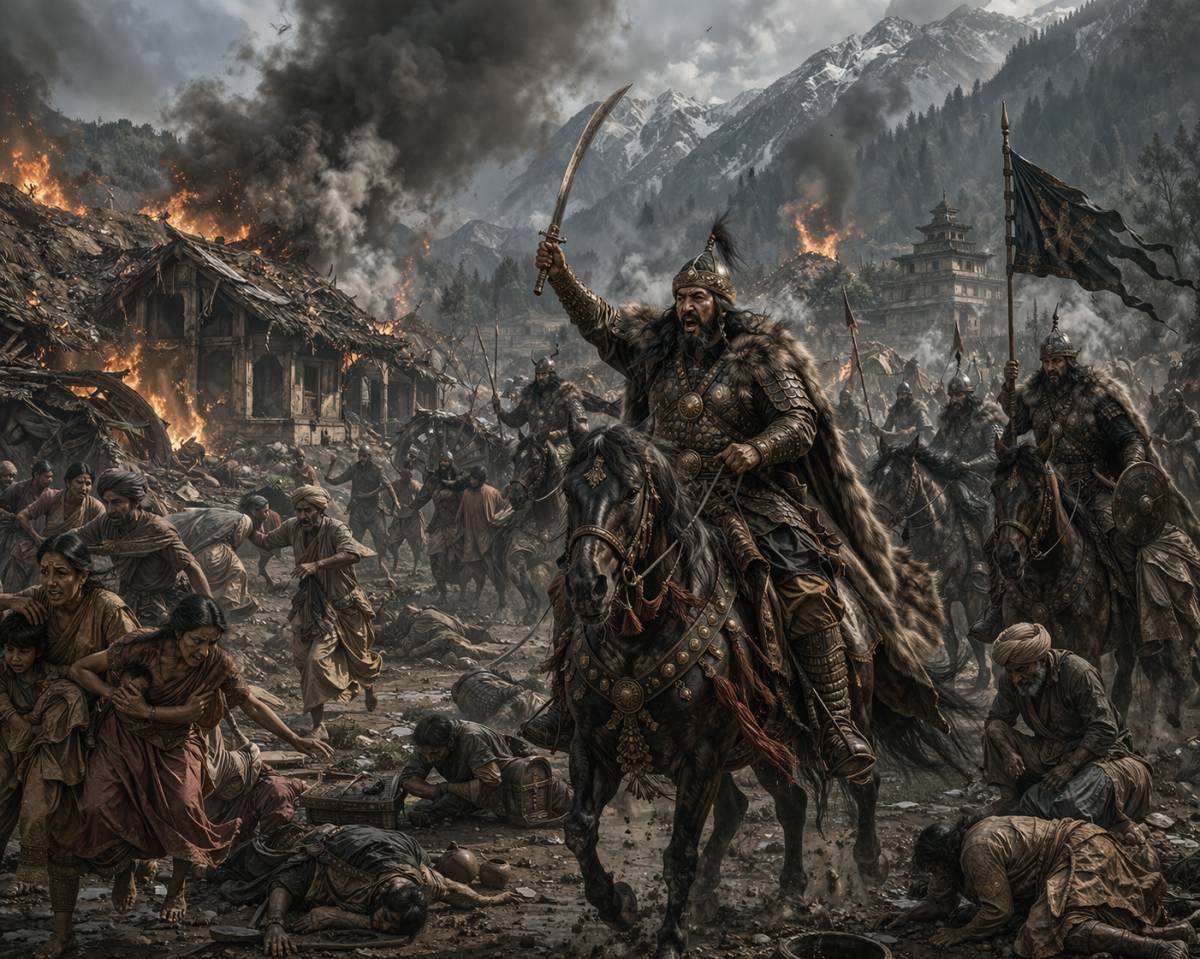
Mihirakula inherited and expanded his father’s territories. By around 520 CE (when Chinese monk Song Yun met him), he controlled a large army with thousands of elephants and cavalry. He conquered or raided:
Central and northern India: Inscriptions (e.g., Gwalior) show his influence reached as far south as Eran (near Sagar, Madhya Pradesh) and Gwalior. Cosmas Indicopleustes (6th-century Alexandrian traveler) called him “Gollas,” lord of India with 2,000 elephants, forcing tribute.
He is described in ancient sources as an overlord who commanded the submission of many petty kings across northern India. The Chinese Buddhist pilgrim Xuanzang (Hiuen Tsang), who visited India in the 7th century — nearly a century after Mihirakula — recorded vivid local accounts of his reign, calling him the sovereign of all India who demanded tribute from all other rulers.
Mihirakula inherited a fragmented empire from Toramana (who had already pushed into central India, e.g., the Battle of Eran c. 510 CE). He consolidated and expanded aggressively, aiming to link Central Asian territories with a Bactria-to-India dominion. His army was nomadic-style: elite cavalry archers supplemented by thousands of war elephants (Cosmas Indicopleustes, writing c. 520–550 CE, calls him “Gollas” and says he commanded “no fewer than two thousand elephants” plus “a great force of cavalry” while forcing tribute across India).
Timeline of Key Campaigns (approximate, based on inscriptions and travellers):
c. 515–520 CE: Inherited northwestern territories (Punjab, parts of Gandhara). By 520 CE (when Chinese monk Song Yun met him), he had conquered Sindh and established a military encampment on the borders of the Jhelum River. He already controlled a vast force and was raiding deeper.
c. 520–525 CE: Overran Kashmir — assassinated the local king and usurped power. He was briefly granted a territory to govern but soon seized full control.
c. 525 CE: Annexed Gandhara through treachery — surprise assassination of the king, slaughter of ministers, widespread looting. He carried spoils back to his capital Sagala and reportedly destroyed 1,600 Buddhist stupas/monasteries here alone (Xuanzang’s account, likely exaggerated but reflecting destruction).
Mid-520s CE: Pushed into central and northern India. Reached Gwalior (Goparaja area) and Eran (near Sagar, Madhya Pradesh) — confirmed by his 15th regnal-year inscription. Raided prosperous Gupta-era cities; extended influence as far as the upper Ganges valley.
Possibly extending influence toward Magadha in the east Gupta Emperor pays tribute to Mihirkula for a period, acting as a vassal due to strategic compulsion his ruled reached till Himalayas
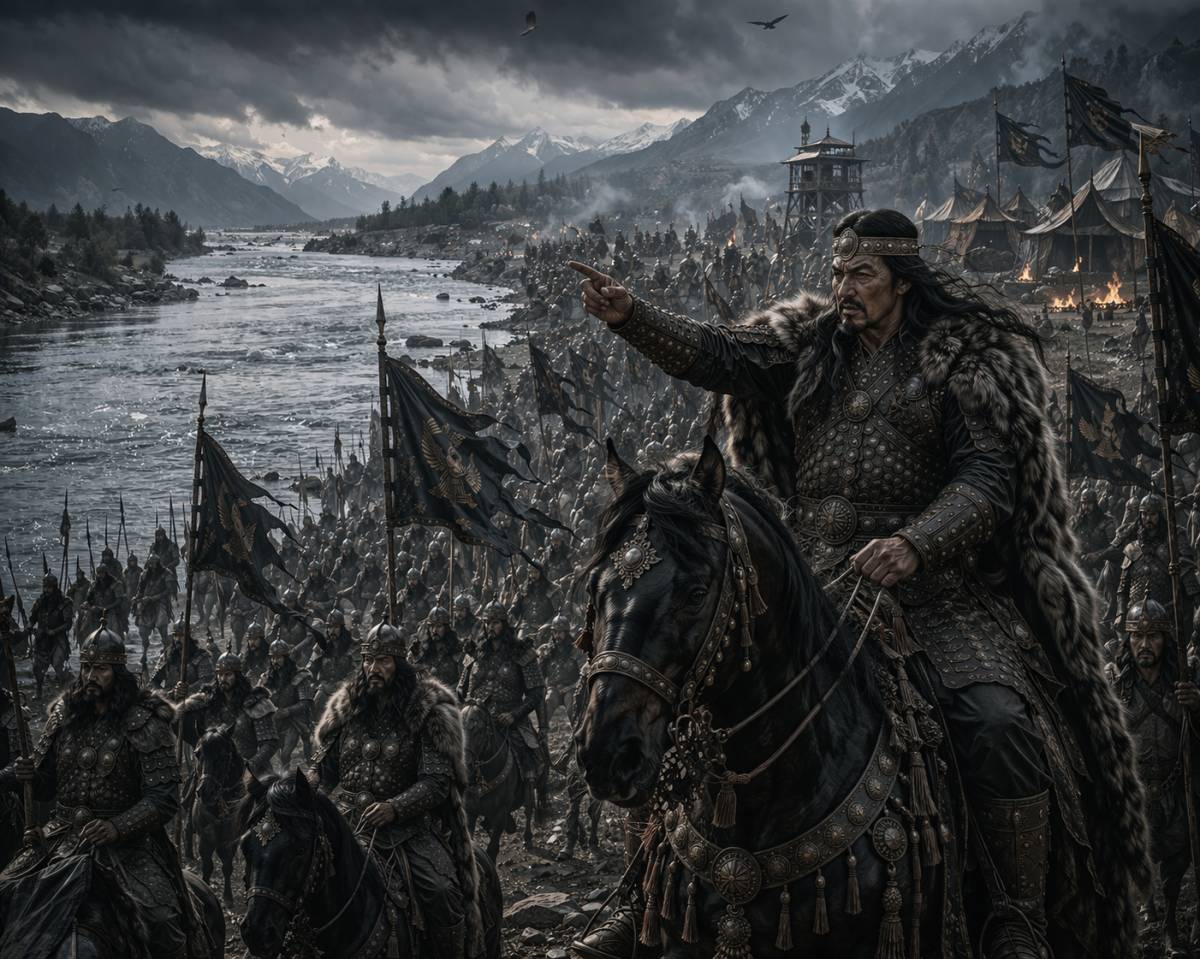
As Mihirkula carried forward the legacy of his father Toramana, the Huna Empire in India reached its absolute peak. From their stronghold in Punjab, they expanded across vast regions — including Uttar Pradesh, Rajasthan, and even parts of central India like Eran. Their campaigns were relentless. Cities were destroyed, villages burned, and many Buddhist monasteries were reduced to ruins — some of which, historians note, were never rebuilt again.
Under Mihirkula, the Hunas appeared unstoppable. Accounts such as the Rajatarangini describe him as a powerful ruler who controlled regions like Kashmir and Gandhara, and even exaggerate his reach to distant lands like Sri Lanka. Foreign writers like Cosmas Indicopleustes referred to him as the “king of India,” highlighting the scale of his influence, even if somewhat overstated. His capital was established at Sakala (modern Sialkot), from where he commanded his expanding empire.
But Mihirkula’s rule was not just about conquest — it was also marked by extreme religious intolerance and harsh treatment of local populations. His persecution, especially of Buddhist institutions, turned many against him. This growing resentment weakened his support within India, making it easier for opposition forces to rise against him.
At the same time, events beyond India were also shaping his fate. In Central Asia, the Hephthalites were facing devastating defeats at the hands of rising Turkic powers. These losses cut off the steady flow of reinforcements and support that had once strengthened the Huna presence in India. Slowly but surely, the foundation of their power began to crumble.
Sensing this weakness, Indian rulers united once again. The Gupta ruler Narasimhagupta, along with powerful allies like Yashodharman, launched a strong resistance againts Mihirkula.
Evidence is limited — Huna rule was more militaristic and decentralized than Gupta or earlier Indian systems. Mihirakula governed through:
Capital: Sagala (modern Sialkot, Pakistan) — his main base, also called Shakala.
Decentralized structure: Local sub-rulers or vassals (some inscriptions suggest Huna governance allowed regional autonomy, mimicking Gupta practices in places like Eran). He placed garrisons (e.g., possibly at Gwalior/Goparaja) and relied on military commanders.
Inscriptions as evidence:
Gwalior Inscription (his 15th regnal year): Found in a Surya (Sun) temple; records a donation or construction by Matricheta under Mihirakula’s overlordship. Confirms his rule reached central India and he used Gupta-era administrative styles.
Described as “uncouth and extremely cruel” according to (Buddhist tradition), quick-tempered, and war-obsessed. People suffered from endless campaigns. He used assassination, surprise attacks, and terror.
Granted lands to “base” Gandharan Brahmins according to Kalhana, for build temples
As Mihirkula ruled over vast territories, his authority was not only enforced through war… but also through currency. The coins issued during his reign offer a fascinating glimpse into how he projected power, legitimacy, and identity.
Mihirkula minted coins in both silver and copper, continuing and adapting earlier traditions. His silver coins often featured a bull on the obverse, accompanied by the legend “Jayatu Vrsha” — meaning “Victory to the Bull.” The bull, a sacred symbol associated with Lord Shiva, reflects Mihirkula’s devotion and religious identity. On some coins, a trident symbol appears before the bull, further reinforcing this Shaivite connection.
Interestingly, his copper coins were more widely circulated. These coins typically displayed a bust of the king facing right, closely resembling earlier Kushan and Sassanian styles. However, Mihirkula adapted these designs to assert his own authority. On the reverse side, the bull symbol reappears — maintaining a consistent message of power, religion, and continuity.
Some coin types even follow the Kushan tradition more closely, depicting a standing king on the obverse, along with inscriptions like “Shahi Mihirakula.” This was not just artistic imitation — it was a deliberate political statement. By adopting established coin styles, Mihirkula aligned himself with earlier great empires, presenting himself as a legitimate and rightful ruler rather than a foreign conqueror.
Evidence is limited — Huna rule was more militaristic and decentralized than Gupta or earlier Indian systems. Mihirakula governed through:
Capital: Sagala (modern Sialkot, Pakistan) — his main base, also called Shakala.
Decentralized structure: Local sub-rulers or vassals (some inscriptions suggest Huna governance allowed regional autonomy, mimicking Gupta practices in places like Eran). He placed garrisons (e.g., possibly at Gwalior/Goparaja) and relied on military commanders.
Inscriptions as evidence:
Gwalior Inscription (his 15th regnal year): Found in a Surya (Sun) temple; records a donation or construction by Matricheta under Mihirakula’s overlordship. Confirms his rule reached central India and he used Gupta-era administrative styles.
Described as “uncouth and extremely cruel” according to (Buddhist tradition), quick-tempered, and war-obsessed. People suffered from endless campaigns. He used assassination, surprise attacks, and terror.
Granted lands to “base” Gandharan Brahmins according to Kalhana, for build temples
As Mihirkula ruled over vast territories, his authority was not only enforced through war… but also through currency. The coins issued during his reign offer a fascinating glimpse into how he projected power, legitimacy, and identity.
Mihirkula minted coins in both silver and copper, continuing and adapting earlier traditions. His silver coins often featured a bull on the obverse, accompanied by the legend “Jayatu Vrsha” — meaning “Victory to the Bull.” The bull, a sacred symbol associated with Lord Shiva, reflects Mihirkula’s devotion and religious identity. On some coins, a trident symbol appears before the bull, further reinforcing this Shaivite connection.
Interestingly, his copper coins were more widely circulated. These coins typically displayed a bust of the king facing right, closely resembling earlier Kushan and Sassanian styles. However, Mihirkula adapted these designs to assert his own authority. On the reverse side, the bull symbol reappears — maintaining a consistent message of power, religion, and continuity.
Some coin types even follow the Kushan tradition more closely, depicting a standing king on the obverse, along with inscriptions like “Shahi Mihirakula.” This was not just artistic imitation — it was a deliberate political statement. By adopting established coin styles, Mihirkula aligned himself with earlier great empires, presenting himself as a legitimate and rightful ruler rather than a foreign conqueror.
By the early 6th century, Mihirkula stood at the peak of his power. From his capital at Sakala, he controlled vast regions across northern India. But his rule — marked by continuous warfare, harsh policies, and religious conflict — had begun to unite his enemies. Local rulers, once divided, now found a common purpose: to end Huna dominance.
The reasons for this great conflict were clear. Mihirkula’s expansion into central India threatened powerful regional kingdoms, while his campaigns had weakened the already declining Gupta Empire. His actions — including the destruction of cities and religious institutions — created resentment among both political leaders and the general population. What followed was not just a battle… but a turning point in Indian history.
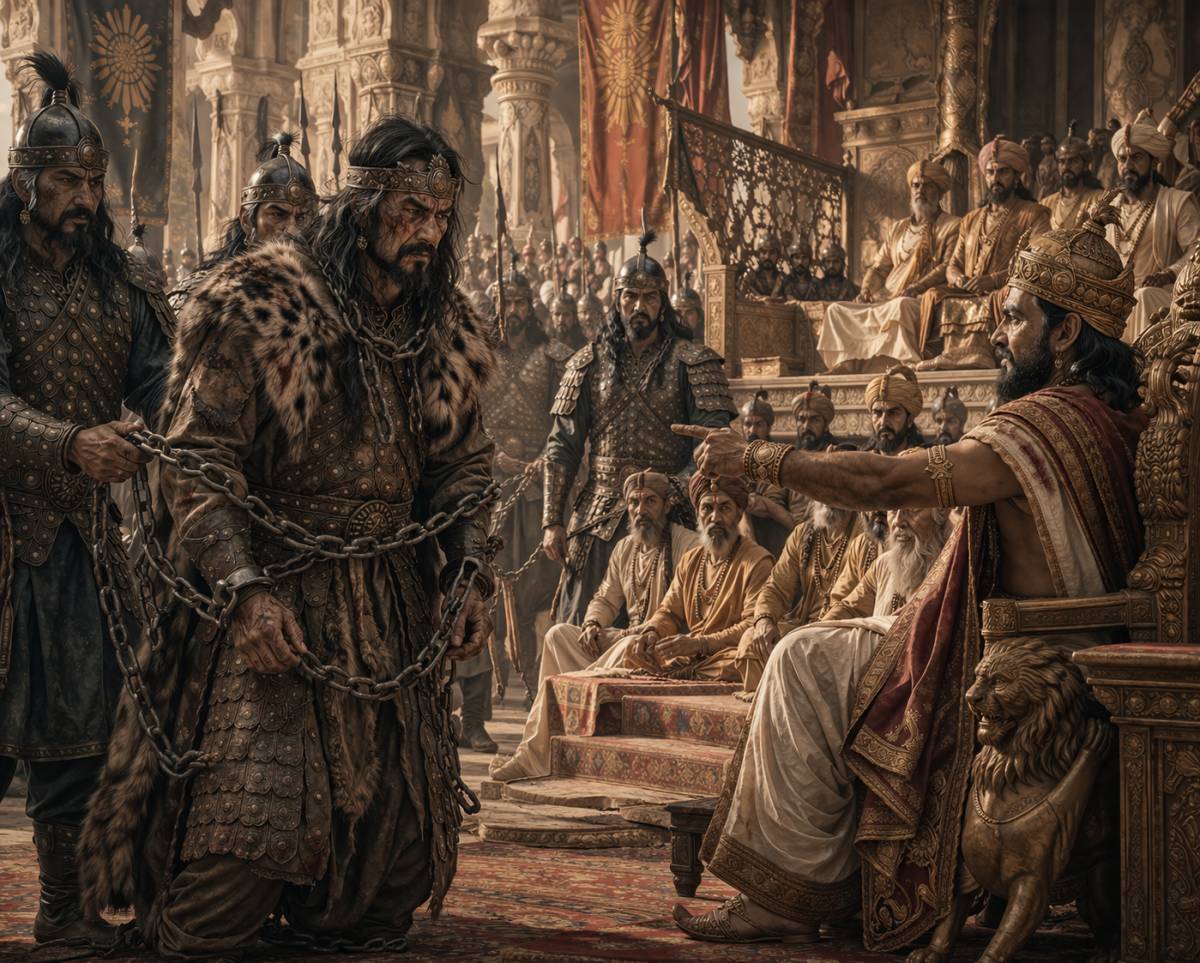
At the Battle of Sondani, Mihirkula faced a powerful alliance led by Yashodharman and the Gupta ruler Narasimhagupta. This was not an ordinary clash — it was a decisive effort to break the backbone of Huna power in India. The combined forces of these rulers confronted Mihirkula and dealt him a crushing defeat.
For the first time, Mihirkula — the conqueror who once seemed unstoppable — was forced into retreat. According to accounts, he was even captured by Narasimhagupta as Prisoner of War and later released. But the damage was done. His empire had begun to collapse.
After his defeat, Mihirkula fled north to Kashmir, where he managed to regain some power and establish control once again. For a brief period, it seemed like he might rebuild his lost strength. he overthrew the Kashmiri king and installed himself as ruler of the valley. From Kashmir, he launched fresh campaigns: He later moved toward Gandhara, continuing smaller campaigns, He invaded and ravaged Gandhara, allegedly sacking the kingdom and massacring its population
He reportedly murdered the king of Gandhara and destroyed its great Buddhist establishments but the scale of his power was never the same. The once-great ruler was now fighting to survive in fragments of his former empire.
Xuanzang recounts that the Gandharan king, faced with certain defeat, sent his own mother out as a peace envoy and ultimately surrendered — and Mihirakula had him killed anyway.
Mihirakula died around 542 CE, possibly in Kashmir. His death did not come from a dramatic battlefield defeat but appears to have been from natural causes, possibly illness, in his final years as ruler of Kashmir and Gandhara.
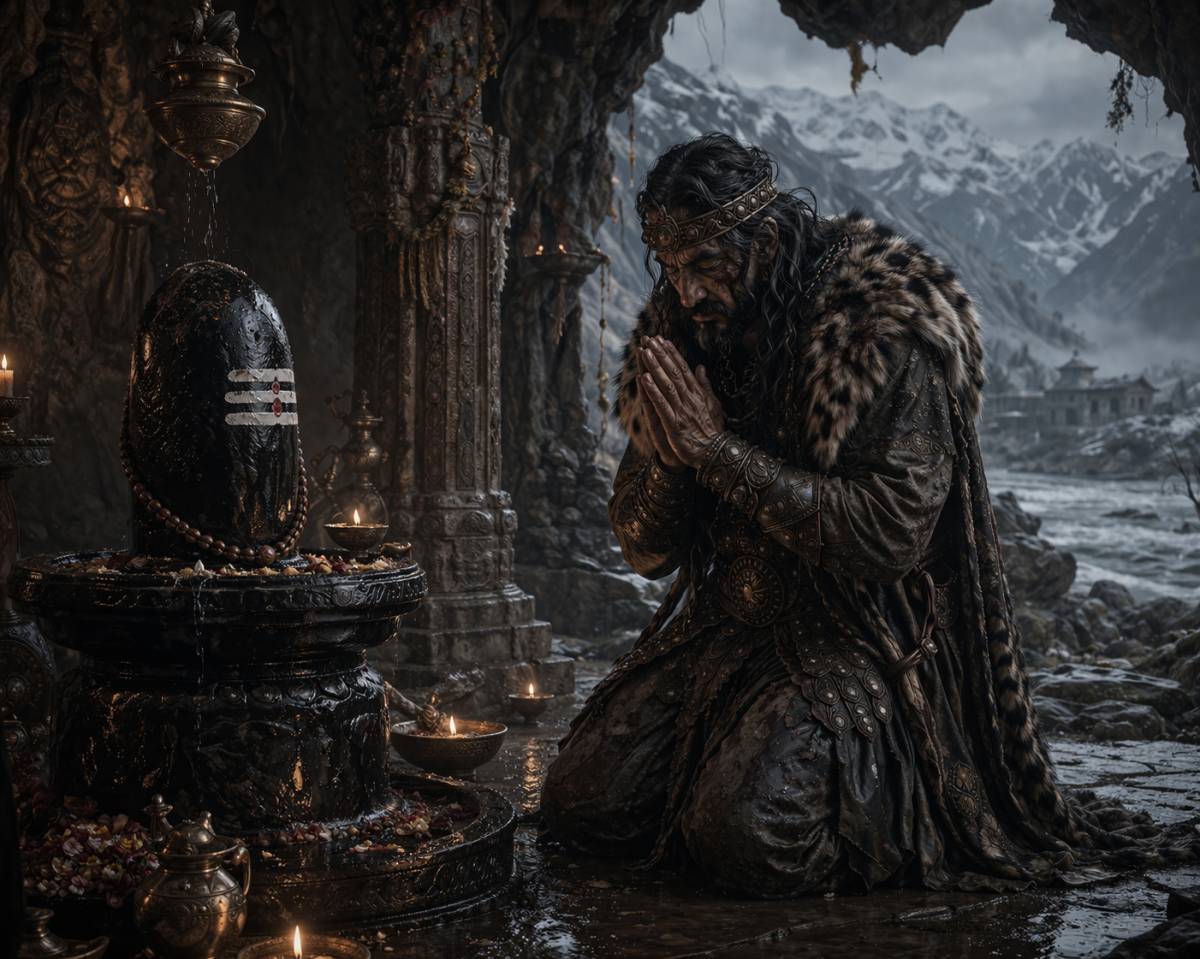
Mihirkula was not only a feared conqueror but also a deeply religious ruler. Historical sources describe him as a devotee of Lord Shiva, following strong Shaivite traditions. His coins, marked with symbols like the bull and trident, clearly reflect this devotion to Lord Shiva — the bull representing Nandi, the sacred vehicle of Shiva, and the trident symbolizing divine power. For Mihirkula, religion was not separate from rule — it was a source of authority, identity, and legitimacy. Historical traditions also credit him with building the Mihiresvara temple in Srinagar, further reinforcing his role as a patron of Shaivite worship.
Yet, Mihirkula’s relationship with religion was far from simple. Early accounts suggest that he was once curious about Buddhism and even requested a Buddhist teacher to guide him. But what followed became a turning point in his life and legacy. According to the Chinese pilgrim Xuanzang, instead of a respected teacher, the Buddhist community sent him a novice — or possibly even a servant. Mihirkula reportedly felt deeply insulted. His reaction, as recorded in historical accounts, was harsh and revealing:
“I have respect for the law of Buddha… now the congregation have put forward this servant… what further respect can I have for the priesthood?”
This moment is often seen as the spark that ignited his hostility toward Buddhism. Soon after, it is said that Mihirkula issued an edict to destroy Buddhist institutions, aiming to overthrow the influence of Buddhism across the “five Indies.” Monasteries were attacked, and Buddhist centers suffered significant damage — though modern historians debate whether these accounts are exaggerated or influenced by religious bias and political narratives. The destruction of Buddhist monasteries and academic centers, including significant damage to Nalanda and the devastation of Takshashila (Taxila). Known for his anti-Buddhist sentiment, he is credited with destroying over 1,600 stupas and monasteries in the region.
Another important perspective comes from Kalhana, who describes Mihirkula as “a man of violent acts, resembling Kala — the god of death.” In his chronicle, Mihirkula is portrayed as a fierce Shaivite ruler who oppressed Buddhists and established a city called Mihirapura. This depiction reinforces his image as both a powerful king and a feared oppressor.
However, not all accounts agree. The earlier Chinese traveler Song Yun Chinese Monk and Envoy sent by Empress Dowager Hu of the Northern Wei dynasty to India to collect Buddhist scriptures. Personally met with Mihirakula at his military encampment on the borders of the Jhelum river, while the king was engaged in a military campaign whom he referred to as the "King of the Huns . Song Yun offers a slightly different view, stating that Mihirkula “did not believe in any religion.” and the local people were unhappy because of his continous wars, and that he was treated with hostility. This contradiction highlights the complexity of his character — a ruler seen by some as a devout Shaivite, by others as irreligious, and by many as politically motivated in his actions. Even Brahmins, who shared elements of his religious framework, are said to have disliked him — suggesting that his harsh rule went beyond simple religious preference. The meeting occurred during the height of the Alchon Hun influence, shortly before Mihirakula's power began to decline.
Buddhism in the northwest survived/recovered despite claims of persecution. His Shaivite coins and temples show cultural assimilation. Modern historians note sources (mostly Buddhist or enemy) may exaggerate cruelty, and there is little archaeological proof of total monastery wipeout.
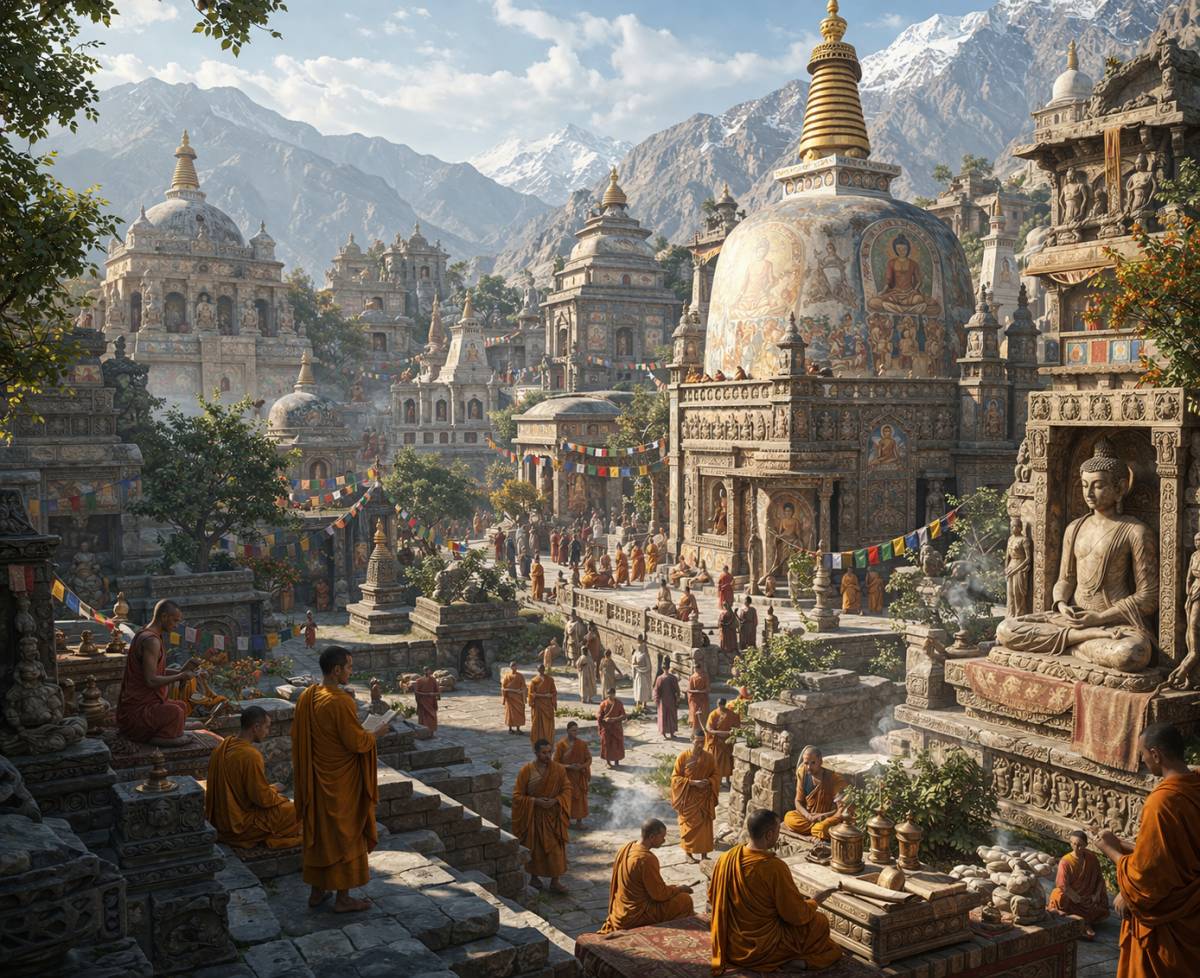
While rulers like Mihirkula are often remembered for their brutality, the world of the Hunas was not defined by war alone. Beneath the surface of conquest, there existed a rich and evolving cultural and religious landscape. The Hunas were deeply spiritual people — known to be fervent worshippers of the Sun God and Lord Shiva. In regions like Kashmir, several Shiva temples were established, reflecting their strong Shaivite traditions.
Yet, what makes their story even more fascinating is their interaction with Buddhism. After the Death of Mihirkula the places like Bamiyan and Gilgit, Buddhism did not disappear — instead, it adapted and flourished in new forms. The massive Buddha statues of Bamiyan, along with cave paintings and monasteries, stand as powerful evidence of artistic and religious growth during this period. This shows that even under Huna dominance, cultural exchange and religious development continued.
Interestingly, Buddhist communities during this time were diverse. Xuanzang noted the presence of numerous monasteries, thousands of monks, and different sects, including followers of the Hinayana tradition and schools like the Lokottaravadins. Even merchants and common people actively participated in religious life, seeking guidance from spiritual signs and making offerings to maintain harmony with unseen forces.
A 6th-century Sun temple (Surya temple) was constructed at Gwalior during the reign of the Huna king Mihirakula, as evidenced by a Sanskrit inscription found at Gopa Hill. While often referred to as the "Mihirakula inscription," the text states the temple was commissioned by a person named Matricheta
After the decline and death of Mihirkula, the Huna presence in India did not vanish immediately. Instead, it evolved into a quieter phase — a period historians call the age of the Later Hephthalites. In Indian sources, they were known as Sveta Huna, or White Hunas, while other traditions even divided them into groups such as the “Red Hunas” and “White Hunas,” reflecting their spread and adaptation across regions.
Though their political dominance had been broken, they continued to rule in fragmented territories, especially in Kashmir and Gandhara. One of the most important successors after Mihirkula was Pravarasena, believed to be the son of Toramana. His rise marks a shift in Huna rule — from conquest to consolidation. Pravarasena, is said to have assumed the throne, providing stability after a period of instability.
Pravarasena ruled for several decades after the fall of Mihirkula, possibly for around 60 years. Unlike his predecessors, he focused less on warfare and more on urban development and state-building. He founded a city named after himself — Pravarasenapura, identified with modern Srinagar — and developed it with markets, infrastructure, and religious architecture. Among his contributions was the construction of a great temple known as Pravaresha, symbolizing a shift toward stability and cultural integration.
Even his coins reflect this transformation. They depict a standing king on one side, while the reverse often shows a goddess seated on a lion, blending earlier Huna traditions with Indian artistic and religious influences. This shows how the Hunas, once seen as foreign invaders, were gradually becoming part of the Indian cultural world.
After Pravarasena, rulers like Gokarna continued this legacy, though on a much smaller scale. Their rule was no longer dominant but regional — surviving in pockets rather than across empires.
Meanwhile, in Kashmir, later rulers such as Yudhishthira was a last great Huna Ruler carried forward Huna authority for a time, but eventually, they too were overthrown by Pratapaditya son of Durlabvardhan and Father of Famous Great King Lalitaditya Muktapida of Karkotas. This marked the final decline of independent Huna rule in India.
The legacy of Mihirkula remains one of the most debated in early Indian history. For centuries, he has been portrayed as a ruthless destroyer — a king who persecuted Buddhism and ruled with extreme cruelty. Much of this image comes from accounts written by Buddhist chroniclers and rival powers, who had both political and religious reasons to depict him in the harshest possible light. This raises an important question: how much of what we know about Mihirkula is history… and how much is perspective?
It is true that several sources describe Mihirkula as hostile toward Buddhism, even claiming that he ordered the destruction of monasteries. However, modern historians caution that these accounts may be exaggerated. Most of the surviving records come from Buddhist writers or enemy courts, and there is limited archaeological evidence to support the idea of a complete or systematic destruction of Buddhist institutions. In fact, Buddhism continued to survive — and in some regions, even recover — after his reign. This suggests that while conflict certainly existed, it may not have been as absolute as some sources claim.
At the same time, Mihirkula’s own actions reveal a different side of his rule. His coins, marked with Shaivite symbols like the bull and trident, and traditions about temple construction, show that he actively adopted and promoted Indian religious practices. Rather than remaining a foreign invader, Mihirkula gradually became part of the cultural landscape he ruled. His reign reflects a process of assimilation, where Central Asian traditions blended with Indian beliefs, political systems, and artistic expressions.
In the end, Mihirkula cannot be seen in simple terms of good or evil. He was a product of his time — an age of constant warfare, shifting empires, and cultural encounters. His legacy is not just one of destruction, but also of transformation. He represents a moment in history when foreign powers entered India, fought fiercely, and yet eventually became part of its civilization.
Comments
No comments yet. Be the first to comment!